European Blockchain Services Infrastructure (EBSI) Enabled
Proving what a product is made of, at scale
Verida lets manufacturers publish a product's materials, origin and lifecycle as credentials that any buyer, auditor or inspector can check for themselves. The trust layer underneath it runs on EBSI.
EBSI VERIFIED
Digital Product Passport
ID: urn:did:ebsi:2a8f9c7b4e6d...

Technical Shell 01 - Recycled Cotton
Manufacturer: Onit Textiles S.p.A.

Material Composition
70% Organic Cotton, 30% Seaqual Yarn

Origin of Raw Fibers
Puglia, Italy (Certified GOTS)

Carbon Footprint
4.2 kg CO₂e (verified Scope 3)

Hash Anchored to EBSI ledger on 2026-03-29 09:12:44 UTC
The Vision
A market where claims can be checked
A shopper choosing between two jackets, a corporate buyer assessing a new supplier, an inspector auditing at a border: each is historically asked to take a product's credentials on pure faith.
We are working towards a market where the claim arrives with its own proof attached, checkable in seconds by whoever needs it. VERIDA is built to sit alongside the ERP and traceability systems companies already run, not to replace them.

Legacy Unverified Claim
"This garment is crafted from GOTS-certified organic cotton."

No proof attached. Requires manual supplier outreach and physical document chasing.
VERIDA Signed Passport
"GOTS Organic Certificate #4992-09"

Cryptographically signed by Onit Smart
The Challenge
Product claims travel further than the proof behind them
A garment reaching a European shelf may have passed through spinning, dyeing, weaving and finishing in four countries and as many companies. Each holds a fragment of the record, in its own format, and shares it by email when asked. Brands rebuild the same picture supplier by supplier for every audit; suppliers answer the same questions for every customer. The cost lands hardest on the smallest firms in the chain.

Fragmented records
No single actor holds a product's full lifecycle, so the record is reassembled by hand every time someone needs it.

Unverifiable claims
A PDF certificate proves only that somebody typed it. A buyer cannot confirm who issued it, or whether it has since been withdrawn.

Duplicated effort
Every brand, auditor and authority puts the same questions to the same supplier, and each answer is checked from scratch.
The Unified Proof Network
1
Dyehouse
Issues fabric treatment certificate
Signed GOTS-1
2
Weaver
Attaches weaving certificate
Signed Oeko-Tex
3
Brand
Inherits certificates automatically
Assembled DPP
What changes when a claim carries its proof
Once a supplier's declaration is signed in a way that can be checked independently, it stops being a document to chase and becomes a fact to read. A dyehouse certificate issued once is accepted by every brand downstream without a fresh paper trail, and a recycled-content figure carries the identity of whoever measured it.

For the company issuing the information, one set of evidence serves every customer, auditor and market it sells into.
For the people relying on it, from buyers and recyclers to market surveillance authorities and consumers scanning a label, the check takes seconds and does not depend on trusting whoever made the claim.
Neither holds the product data. That stays with the company that owns it, and only a cryptographic hash reaches the ledger.
How It Works
From factory floor to independent check
Five steps connect the manufacturer's systems to an independent, cryptographic check anyone can run.
01

A product gets an ID
The manufacturer registers a product, batch or lot in Verida, and the platform creates a decentralised identifier for it on EBSI.


03
It ships with the product
A QR code or NFC tag on the product or its label opens the passport, so it reaches whoever handles the product next.

04
Anyone can run the check
A scan returns the credentials as a signed presentation. The verifier confirms the signature, the issuer's accreditation on EBSI and the timestamp.

05
The claim stands alone
A buyer, auditor or authority knows who made each statement and that it has not changed since, without contacting the manufacturer.

The Project
Verida: product passports for manufacturers
VERIDA is a multi-tenant service developed by Onit Smart, part of Gruppo Onit, in Cesena, Italy, with Clust-ER Create as regional partner. Onit Smart is an accredited EBSI Trusted Issuer, and its CEO co-signed CEN CWA 18291:2025, the European guideline for textile product passports. First pilots run with Italian textile and fashion manufacturers, the sector facing the earliest obligations under the Ecodesign for Sustainable Products Regulation. Each product or batch gets a decentralised identifier, drawing lifecycle events from the ERP, MES and machines already in place and issuing them as credentials a QR code can open.

EBSI Infrastructure Role
EBSI provides the registry of decentralised identifiers, the register of accredited issuers and the timestamping that fixes a credential in time.

REGULATORY RECOGNITIONS
EBSI
EBSI Trusted Issuer
Onit Smart is an accredited EBSI Trusted Issuer, formally accredited to issue verifiable credentials anchored on EU-managed infrastructure.
CEN
CEN CWA 18291:2025
Onit Smart's CEO co-signed CEN CWA 18291:2025, the European guideline for textile product passports.
Trust & Privacy
Neither holds the product data
The product data stays with the company that owns it, and only a cryptographic hash reaches the ledger. Verida does not replace a company's ERP, PLM or traceability system, and does not act as a certification body.

EBSI provides the registry of decentralised identifiers, the register of accredited issuers and the timestamping that fixes a credential in time.

VERIDA builds everything around it: the passport data model, the issuing workflow, tenant separation and the interfaces companies and consumers use.
SECURITY MODEL
LOCAL ENTERPRISE ERP
Contains: Raw Materials, Costs, Dye formulations
✓ Strictly Confidential (Stays On-Premise)

CRYPTOGRAPHIC HASH GENERATION
SHA-256: 4f9e8a71b... (immutable fingerprint)
EBSI EUROPEAN BLOCKCHAIN LEDGER
Verification Hub (Zero Private Data Disclosed)
Target Sectors
Engineered to meet the EU regulatory roadmap
VERIDA builds dedicated templates compliant with European guidelines for the earliest mandated ESPR product categories.
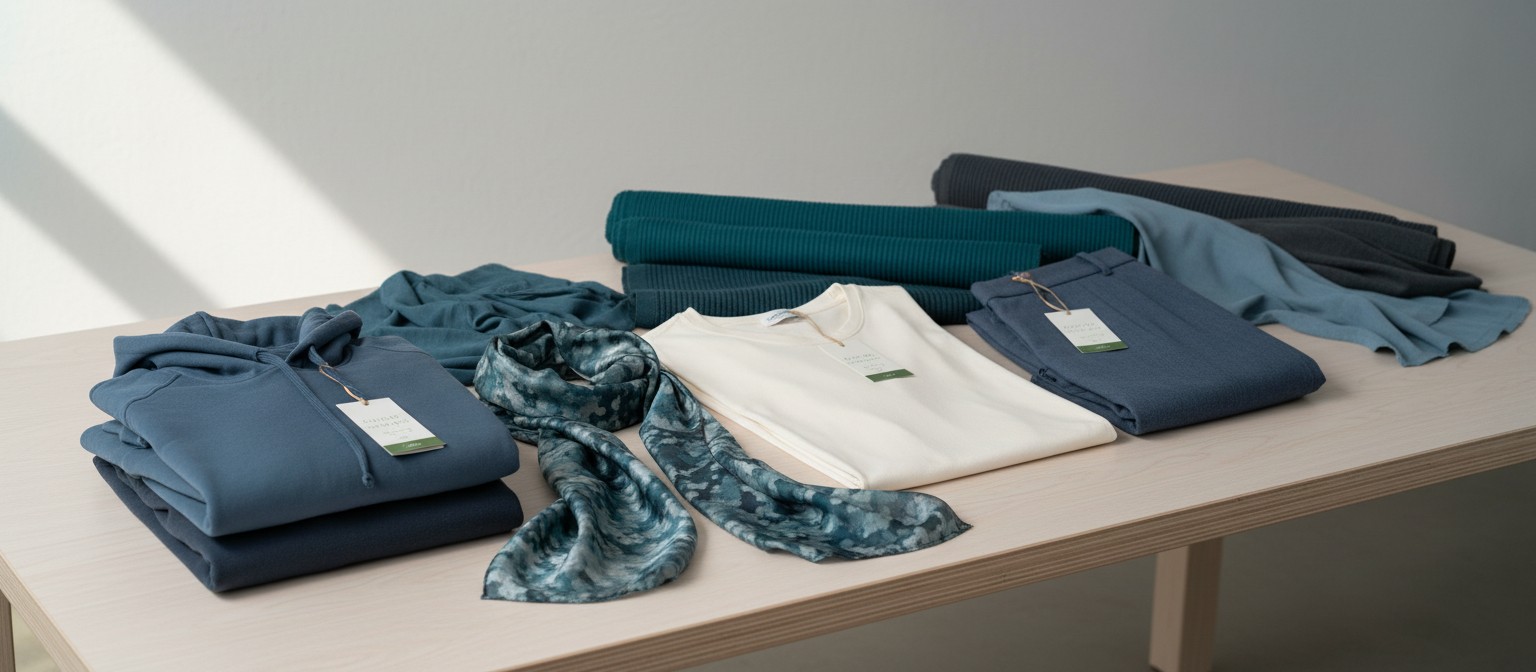

Textiles & Fashion
ESPR Obligation: 2026/2027
The earliest sector impacted by EU Eco-Design requirements. Trace materials, wash lifecycles, and recycling pathways seamlessly from loom to brand.
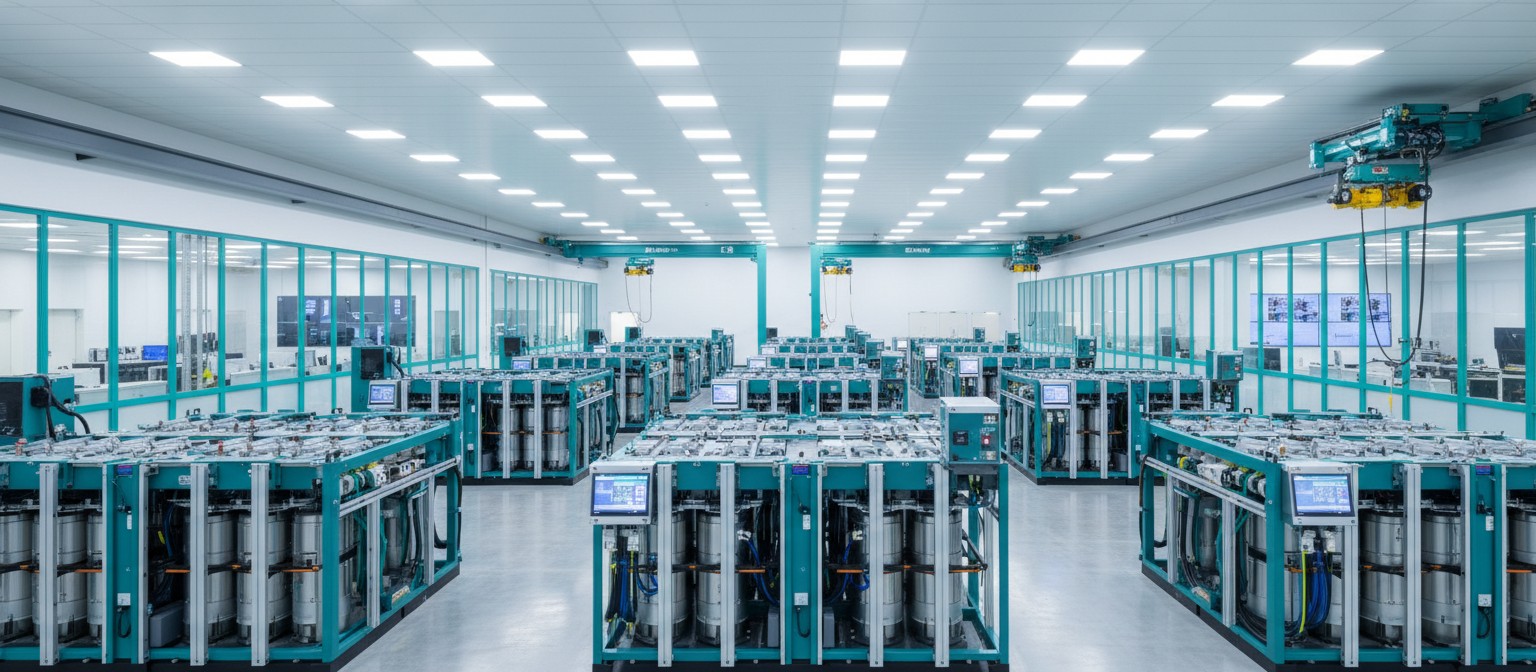

Industrial Batteries
ESPR Obligation: 2027/2028
Mandatory battery passports requiring verified tracing of cobalt, lithium, and critical raw materials alongside certified state-of-health data.


Consumer Electronics
ESPR Obligation: 2028+
Full transparency on repairability indices, component sourcing, flame retardants, and regional mineral origins.
Ready to make your product claims verifiable?
Ensure your operations are fully compliant with impending EU ESPR passport rules. Partner with Italy's accredited EBSI Trusted Issuer today.
European Blockchain Services Infrastructure (EBSI) Enabled
Proving what a product is made of, at scale
Verida lets manufacturers publish a product's materials, origin and lifecycle as credentials that any buyer, auditor or inspector can check for themselves. The trust layer underneath it runs on EBSI.
Digital Product Passport
ID: urn:did:ebsi:2a8f9c7b4e6d...
EBSI VERIFIED
Technical Shell 01 - Recycled Cotton
Manufacturer: Onit Textiles S.p.A.
Material Composition
70% Organic Cotton, 30% Seaqual Yarn
Origin of Raw Fibers
Puglia, Italy (Certified GOTS)
Carbon Footprint
4.2 kg CO₂e (verified Scope 3)
Hash Anchored to EBSI ledger on 2026-03-29 09:12:44 UTC
The Vision
A market where claims can be checked
A shopper choosing between two jackets, a corporate buyer assessing a new supplier, an inspector auditing at a border: each is historically asked to take a product's credentials on pure faith.
We are working towards a market where the claim arrives with its own proof attached, checkable in seconds by whoever needs it. VERIDA is built to sit alongside the ERP and traceability systems companies already run, not to replace them.
Legacy Unverified Claim
"This garment is crafted from GOTS-certified organic cotton."

No proof attached. Requires manual supplier outreach and physical document chasing.
VERIDA Signed Passport
"GOTS Organic Certificate #4992-09"
Cryptographically signed by Onit Smart
The Challenge
Product claims travel further than the proof behind them
A garment reaching a European shelf may have passed through spinning, dyeing, weaving and finishing in four countries and as many companies. Each holds a fragment of the record, in its own format, and shares it by email when asked. Brands rebuild the same picture supplier by supplier for every audit; suppliers answer the same questions for every customer. The cost lands hardest on the smallest firms in the chain.
Fragmented records
No single actor holds a product's full lifecycle, so the record is reassembled by hand every time someone needs it.
Unverifiable claims
A PDF certificate proves only that somebody typed it. A buyer cannot confirm who issued it, or whether it has since been withdrawn.
Duplicated effort
Every brand, auditor and authority puts the same questions to the same supplier, and each answer is checked from scratch.
What changes when a claim carries its proof
Once a supplier's declaration is signed in a way that can be checked independently, it stops being a document to chase and becomes a fact to read. A dyehouse certificate issued once is accepted by every brand downstream without a fresh paper trail, and a recycled-content figure carries the identity of whoever measured it.
For the company issuing the information, one set of evidence serves every customer, auditor and market it sells into.
For the people relying on it, from buyers and recyclers to market surveillance authorities and consumers scanning a label, the check takes seconds and does not depend on trusting whoever made the claim.
Neither holds the product data. That stays with the company that owns it, and only a cryptographic hash reaches the ledger.
The Unified Proof Network
1
Dyehouse
Issues fabric treatment certificate
Signed GOTS-1
2
Weaver
Attaches weaving certificate
Signed Oeko-Tex
3
Brand
Inherits certificates automatically
Assembled DPP
How It Works
From factory floor to independent check
Five steps connect the manufacturer's systems to an independent, cryptographic check anyone can run.
01
A product gets an ID
The manufacturer registers a product, batch or lot in Verida, and the platform creates a decentralised identifier for it on EBSI.
03
It ships with the product
A QR code or NFC tag on the product or its label opens the passport, so it reaches whoever handles the product next.
04
Anyone can run the check
A scan returns the credentials as a signed presentation. The verifier confirms the signature, the issuer's accreditation on EBSI and the timestamp.
05
The claim stands alone
A buyer, auditor or authority knows who made each statement and that it has not changed since, without contacting the manufacturer.
The Project
Verida: product passports for manufacturers
VERIDA is a multi-tenant service developed by Onit Smart, part of Gruppo Onit, in Cesena, Italy, with Clust-ER Create as regional partner. Onit Smart is an accredited EBSI Trusted Issuer, and its CEO co-signed CEN CWA 18291:2025, the European guideline for textile product passports. First pilots run with Italian textile and fashion manufacturers, the sector facing the earliest obligations under the Ecodesign for Sustainable Products Regulation. Each product or batch gets a decentralised identifier, drawing lifecycle events from the ERP, MES and machines already in place and issuing them as credentials a QR code can open.
EBSI Infrastructure Role
EBSI provides the registry of decentralised identifiers, the register of accredited issuers and the timestamping that fixes a credential in time.
REGULATORY RECOGNITIONS
EBSI
EBSI Trusted Issuer
Onit Smart is an accredited EBSI Trusted Issuer, formally accredited to issue verifiable credentials anchored on EU-managed infrastructure.
CEN
CEN CWA 18291:2025
Onit Smart's CEO co-signed CEN CWA 18291:2025, the European guideline for textile product passports.
Trust & Privacy
Neither holds the product data
The product data stays with the company that owns it, and only a cryptographic hash reaches the ledger. Verida does not replace a company's ERP, PLM or traceability system, and does not act as a certification body.
EBSI provides the registry of decentralised identifiers, the register of accredited issuers and the timestamping that fixes a credential in time.

VERIDA builds everything around it: the passport data model, the issuing workflow, tenant separation and the interfaces companies and consumers use.
SECURITY MODEL
LOCAL ENTERPRISE ERP
Contains: Raw Materials, Costs, Dye formulations
✓ Strictly Confidential (Stays On-Premise)
CRYPTOGRAPHIC HASH GENERATION
SHA-256: 4f9e8a71b... (immutable fingerprint)
EBSI EUROPEAN BLOCKCHAIN LEDGER
Verification Hub (Zero Private Data Disclosed)
Target Sectors
Engineered to meet the EU regulatory roadmap
VERIDA builds dedicated templates compliant with European guidelines for the earliest mandated ESPR product categories.
Textiles & Fashion
ESPR Obligation: 2026/2027
The earliest sector impacted by EU Eco-Design requirements. Trace materials, wash lifecycles, and recycling pathways seamlessly from loom to brand.
Industrial Batteries
ESPR Obligation: 2027/2028
Mandatory battery passports requiring verified tracing of cobalt, lithium, and critical raw materials alongside certified state-of-health data.
Consumer Electronics
ESPR Obligation: 2028+
Full transparency on repairability indices, component sourcing, flame retardants, and regional mineral origins.
Ready to make your product claims verifiable?
Ensure your operations are fully compliant with impending EU ESPR passport rules. Partner with Italy's accredited EBSI Trusted Issuer today.
European Blockchain Services Infrastructure (EBSI) Enabled
Proving what a product is made of, at scale
Verida lets manufacturers publish a product's materials, origin and lifecycle as credentials that any buyer, auditor or inspector can check for themselves. The trust layer underneath it runs on EBSI.
Digital Product Passport
ID: urn:did:ebsi:2a8f9c7b4e6d...
EBSI VERIFIED
Technical Shell 01 - Recycled Cotton
Manufacturer: Onit Textiles S.p.A.
Material Composition
70% Organic Cotton, 30% Seaqual Yarn
Origin of Raw Fibers
Puglia, Italy (Certified GOTS)
Carbon Footprint
4.2 kg CO₂e (verified Scope 3)
Hash Anchored to EBSI ledger on 2026-03-29 09:12:44 UTC
The Vision
A market where claims can be checked
A shopper choosing between two jackets, a buyer assessing a new supplier, an inspector at a border: each is asked to take a claim about a product on faith.
We are working towards a market where the claim arrives with its own proof attached, checkable in seconds by whoever needs it. VERIDA is built to sit alongside the ERP and traceability systems companies already run, not to replace them.
Legacy Unverified Claim
"This garment is crafted from GOTS-certified organic cotton."
No proof attached. Requires manual supplier outreach and physical document chasing.
VERIDA Signed Passport
"GOTS Organic Certificate #4992-09"
Cryptographically signed by Onit Smart
The Challenge
Product claims travel further than the proof behind them
A garment reaching a European shelf may have passed through spinning, dyeing, weaving and finishing in four countries and as many companies. Each holds a fragment of the record, in its own format, and shares it by email when asked. Brands rebuild the same picture supplier by supplier for every audit; suppliers answer the same questions for every customer. The cost lands hardest on the smallest firms in the chain.
Fragmented records
No single actor holds a product's full lifecycle, so the record is reassembled by hand every time someone needs it.
Unverifiable claims
A PDF certificate proves only that somebody typed it. A buyer cannot confirm who issued it, or whether it has since been withdrawn.
Duplicated effort
Every brand, auditor and authority puts the same questions to the same supplier, and each answer is checked from scratch.
The Unified Proof Network
1
Dyehouse
Issues fabric treatment certificate
Signed GOTS-1
2
Weaver
Attaches weaving certificate
Signed Oeko-Tex
3
Brand
Inherits certificates automatically
Assembled DPP
What changes when a claim carries its proof
Once a supplier's declaration is signed in a way that can be checked independently, it stops being a document to chase and becomes a fact to read. A dyehouse certificate issued once is accepted by every brand downstream without a fresh paper trail, and a recycled-content figure carries the identity of whoever measured it.
For the company issuing the information, one set of evidence serves every customer, auditor and market it sells into.
For the people relying on it, from buyers and recyclers to market surveillance authorities and consumers scanning a label, the check takes seconds and does not depend on trusting whoever made the claim.
Neither holds the product data. That stays with the company that owns it, and only a cryptographic hash reaches the ledger.
How It Works
From factory floor to independent check
Five steps connect the manufacturer's systems to an independent, cryptographic check anyone can run.
01
A product gets an ID
The manufacturer registers a product, batch or lot in Verida, and the platform creates a decentralised identifier for it on EBSI.
02
Its history is signed
Data from the ERP, MES and connected machines becomes a verifiable credential signed by the company that produced it. Its hash is timestamped on EBSI.
03
It ships with the product
A QR code or NFC tag on the product or its label opens the passport, so it reaches whoever handles the product next.
04
Anyone can run the check
A scan returns the credentials as a signed presentation. The verifier confirms the signature, the issuer's accreditation on EBSI and the timestamp.
05
The claim stands alone
A buyer, auditor or authority knows who made each statement and that it has not changed since, without contacting the manufacturer.
The Project
Verida: product passports for manufacturers
VERIDA is a multi-tenant service developed by Onit Smart, part of Gruppo Onit, in Cesena, Italy, with Clust-ER Create as regional partner. Onit Smart is an accredited EBSI Trusted Issuer, and its CEO co-signed CEN CWA 18291:2025, the European guideline for textile product passports. First pilots run with Italian textile and fashion manufacturers, the sector facing the earliest obligations under the Ecodesign for Sustainable Products Regulation. Each product or batch gets a decentralised identifier, drawing lifecycle events from the ERP, MES and machines already in place and issuing them as credentials a QR code can open.
EBSI Infrastructure Role
EBSI provides the registry of decentralised identifiers, the register of accredited issuers and the timestamping that fixes a credential in time.
REGULATORY RECOGNITIONS
EBSI
EBSI Trusted Issuer
Onit Smart is an accredited EBSI Trusted Issuer, formally accredited to issue verifiable credentials anchored on EU-managed infrastructure.
CEN
CEN CWA 18291:2025
Onit Smart's CEO co-signed CEN CWA 18291:2025, the European guideline for textile product passports.
Trust & Privacy
Neither holds the product data
The product data stays with the company that owns it, and only a cryptographic hash reaches the ledger. Verida does not replace a company's ERP, PLM or traceability system, and does not act as a certification body.
EBSI provides the registry of decentralised identifiers, the register of accredited issuers and the timestamping that fixes a credential in time.

VERIDA builds everything around it: the passport data model, the issuing workflow, tenant separation and the interfaces companies and consumers use.
SECURITY MODEL
LOCAL ENTERPRISE ERP
Contains: Raw Materials, Costs, Dye formulations
✓ Strictly Confidential (Stays On-Premise)
CRYPTOGRAPHIC HASH GENERATION
SHA-256: 4f9e8a71b... (immutable fingerprint)
EBSI EUROPEAN BLOCKCHAIN LEDGER
Verification Hub (Zero Private Data Disclosed)
Target Sectors
Engineered to meet the EU regulatory roadmap
VERIDA builds dedicated templates compliant with European guidelines for the earliest mandated ESPR product categories.
Textiles & Fashion
ESPR Obligation: 2026/2027
The earliest sector impacted by EU Eco-Design requirements. Trace materials, wash lifecycles, and recycling pathways seamlessly from loom to brand.
Industrial Batteries
ESPR Obligation: 2027/2028
Mandatory battery passports requiring verified tracing of cobalt, lithium, and critical raw materials alongside certified state-of-health data.
Consumer Electronics
ESPR Obligation: 2028+
Full transparency on repairability indices, component sourcing, flame retardants, and regional mineral origins.
Ready to make your product claims verifiable?
Ensure your operations are fully compliant with impending EU ESPR passport rules. Partner with Italy's accredited EBSI Trusted Issuer today.